
8 October 2026 · 1 min read
Your first chemical peel: what to expect
How peels work, what they help with, how melanin-rich skin is treated safely, and the aftercare that protects your results.
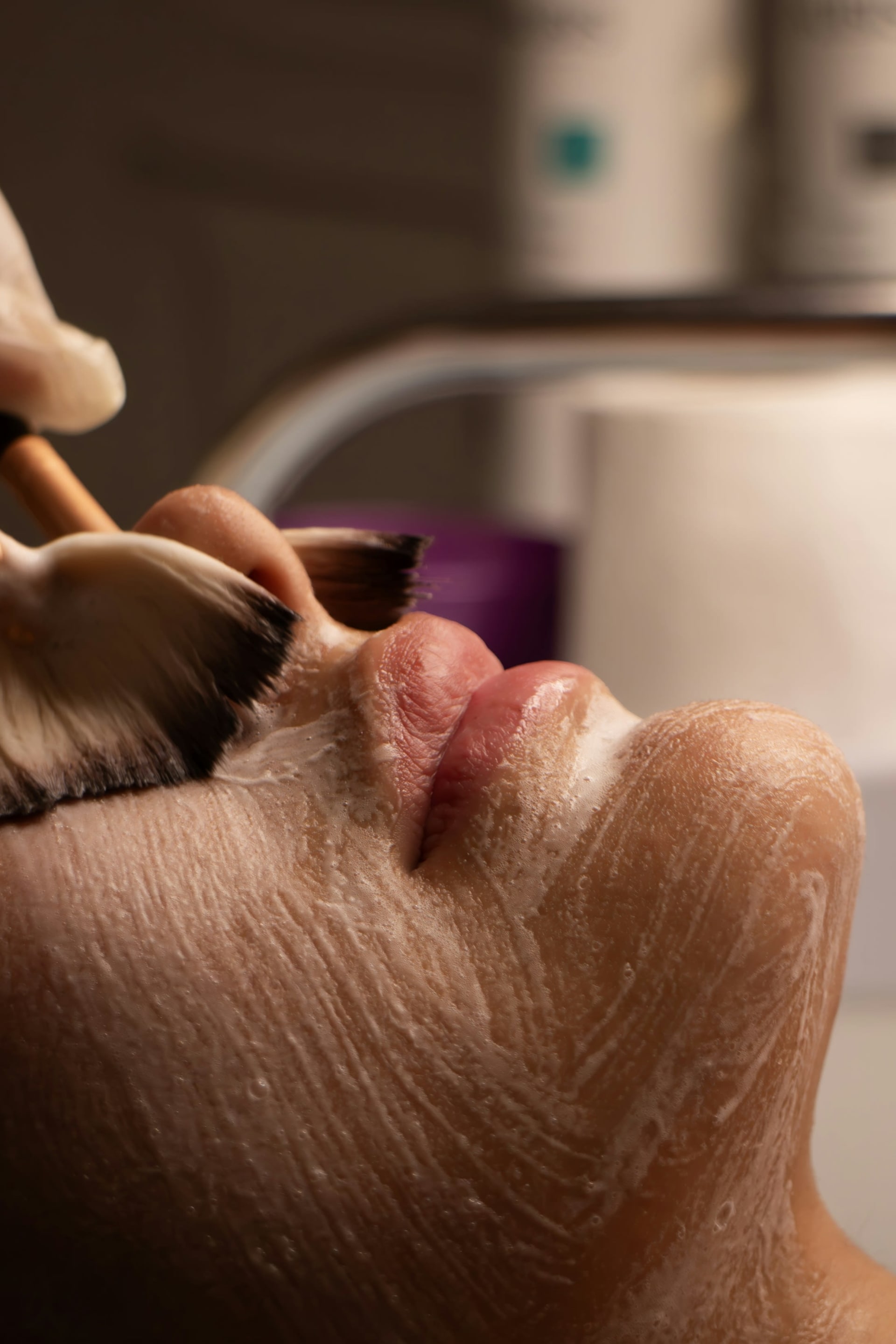
A chemical peel uses carefully chosen acids to lift away dull, damaged surface cells so fresher, more even skin can come through. Done well, it is one of the most effective ways to improve uneven tone, dark marks, rough texture and congestion.
Who peels are for
Peels can help with post-inflammatory hyperpigmentation (the dark marks left after spots), dullness, enlarged-looking pores and mild acne. They are not one-size-fits-all: the type and strength of peel must suit your skin, especially for melanin-rich skin, which can react to over-aggressive treatment by darkening.
That is why every peel at Skin Byoode starts with a consultation. We look at your history, current products, sensitivity and goals before recommending anything.
On the day
- Your skin is cleansed and prepped.
- The peel is applied and timed closely. A warm or tingling feeling is normal.
- It is neutralised or removed, then calming products and SPF are applied.
Most people return to their day straight away.
Aftercare matters most
- Use a gentle cleanser and moisturiser for the first week.
- Do not pick or peel flaking skin.
- Pause retinoids and exfoliating acids until your practitioner says otherwise.
- Wear SPF 50 every day — this is non-negotiable for protecting results.
How many sessions?
Many concerns respond best to a short course spaced a few weeks apart. Your practitioner will suggest a plan at consultation.
This article is general information, not medical advice. Book a consultation for guidance on your own skin.
Have a question about your skin?
Keep reading.
 facials
2 October 2026 · 1 min read
Medical-grade facial vs. spa facial: what’s the difference?
Both feel good. Only one is built around measurable skin results. Here’s how they differ and how to choose.
 skin tags
26 September 2026 · 1 min read
Skin tags: what they are and how removal works
Skin tags are common and harmless, but they can be annoying. Here’s why they appear and what removal involves.